Nonprofit Notebook
Winter Solstice 2025
Feature Topics:
Exposing structures invites us to design differently.
Continuing from last notebook’s mention of opportunities I’ve taken to learn with and from Naaima Khan’s Beyond DEI series and the Pause & Effect Reimagining Research cohort, “Bones” reflects on how a decolonizing lens reveals complicity in the assumptions we bring to consulting, like winter strips the garden to its underlying structure.
Being honest with grief means holding multiple truths and making space to feel.
Inspired by a collection of others’ LinkedIn posts touching on death and loss in this season, “Grief, Goodall, and Gandhi” reflects on legacies and eulogies in a world of complexity, and the value of allowing leaders to process loss without feeling like losers.
Cycles of emergence map audaciously improbable impossibilities.
Deepening into the enticing idea of the “improbable” touched on in one of last quarter’s articles on AI, “Season of Spiderwebs” draws on writings from Pieter de Beer and Nick Takamine and Shiree Teng and the Measuring Love Team that plumb the transformative archetype of fire; resonance and fields; even repetition and incantation as paths toward reorganizing ourselves to create a future we want, need, and deserve.
Click on the squares below to read each section or use the button at the bottom of the page for a complete PDF.
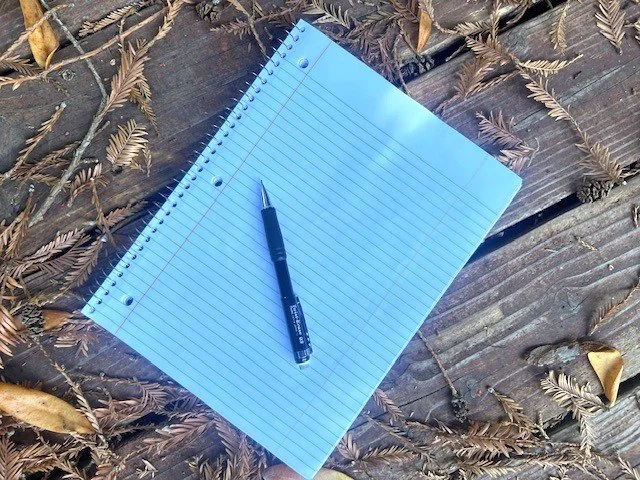
spiral notebook open to a blank page, automatic pencil on top, lying on a wooden deck strewn with redwood duff and bay Laurel leaves
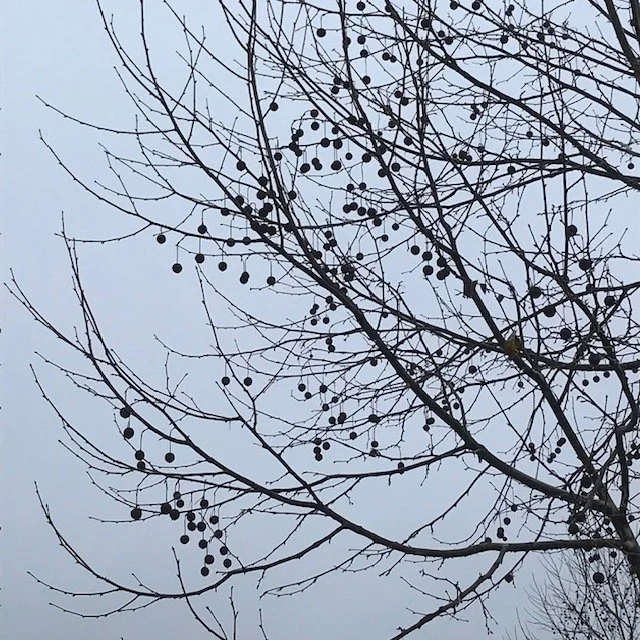
Bones

Grief, Goodall and Gandhi
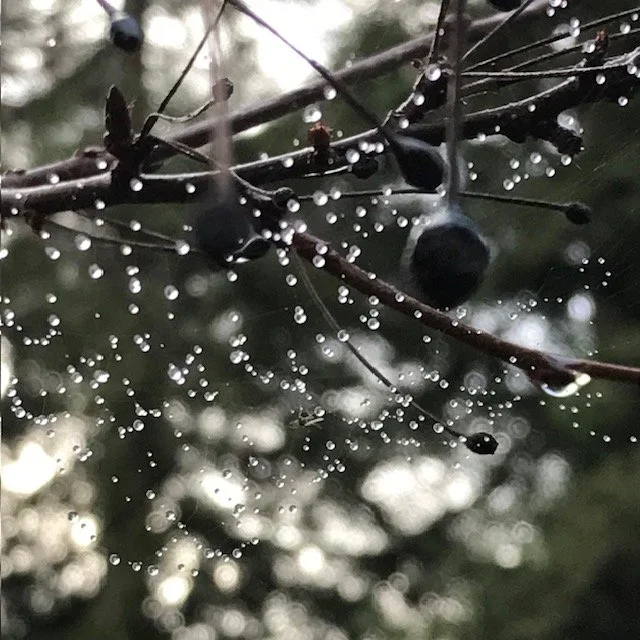
Season of Spiderwebs